
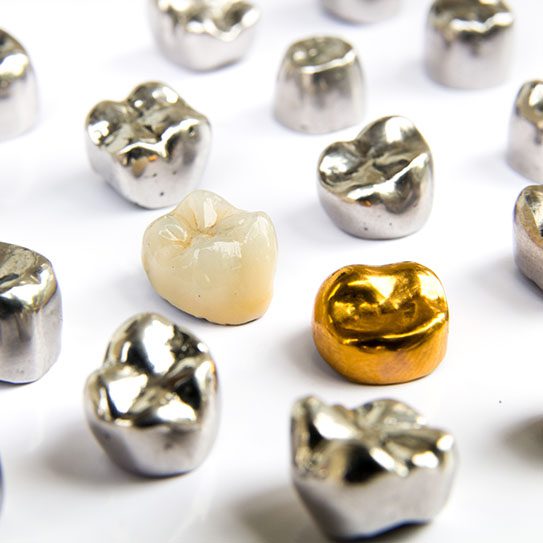
Most people assume a dental crown means weeks of eating only soft foods, but that is not the full story. Here is what actually changes and what does not.
Prosthodontics: Restoring Your Smile, Your Way
Prosthodontics is the dental specialty focused on replacing and restoring teeth that are missing, damaged, or worn. Think of it as a bespoke tailoring service for your mouth, where every restoration is custom-made to fit you perfectly.
Who Is It For?
This service is a great fit if you are dealing with any of the following:
- Missing or broken teeth
- Worn-down teeth affecting your bite
- A need for crowns, bridges, dentures, or dental implants
- A desire to improve how your teeth look and function
What Are the Benefits?
- Restored ability to chew and speak comfortably
- Improved appearance and confidence
- Prevention of further oral health problems
- Durable, long-lasting results built just for you
How Does It Work?
We start with a friendly exam and a conversation about your goals. We then take measurements and impressions of your mouth to create your custom restoration. After fitting and any small adjustments, we send you on your way with clear care instructions and scheduled follow-ups.
| Treatment | Best For | Typical Durability | Key Benefit |
|---|---|---|---|
| Dental Crown | Damaged or weakened teeth | 10–15 years or more | Protects and restores tooth structure |
| Dental Bridge | One or more missing teeth | 10–15 years | Fills gaps without surgery |
| Dentures | Multiple or all missing teeth | 5–10 years | Restores full smile and chewing ability |
| Dental Implants | Single or multiple missing teeth | 20+ years | Permanent, natural-looking replacement |
Eating With a Dental Crown: What Really Changes
Getting a dental crown does not mean you are stuck with a restricted diet forever. The adjustment period is shorter than most people expect, and knowing what to look out for makes the whole process much easier.
There are two stages to consider: right after placement and once you are fully healed. Each comes with its own simple guidelines.
Right After Your Dental Crown Is Placed
For the first 24 to 48 hours, we recommend sticking to softer foods while any sensitivity settles. Avoid anything very hot, very cold, or overly sticky during this early stage.
Once Your Dental Crown Has Settled
After the initial period, most people return to eating normally without any major restrictions. That said, it is smart to be mindful of a few habits long term:
- Avoid chewing ice or very hard foods directly on the crown
- Cut sticky or chewy foods into smaller pieces
- Chew on the opposite side if sensitivity lingers
The Bottom Line
A dental crown is designed to function just like a natural tooth. With a little care early on, you can comfortably enjoy your normal diet without long-term limitations.
Restoring Your Smile With Prosthodontics
At David J. D’Apolito DMD, LLC, we offer prosthodontics to help you restore and rebuild your smile. Whether you are missing teeth or dealing with damage, we have solutions to bring back both function and confidence.
Prosthodontics covers a range of treatments, including crowns, bridges, dentures, and implants. We believe everyone deserves a smile that looks and feels great.
Our goal is to make sure you leave our practice feeling comfortable and cared for. We are here to guide you through every step of the process.
What Patients Are Saying
Patients consistently praise David J. D’Apolito DMD, LLC for exceptional, compassionate care. Dr. D’Apolito is known for making even the most anxious patients feel comfortable, taking time to explain procedures thoroughly and offering encouragement rather than judgment.
His staff is consistently described as friendly, professional, and caring. With a spotless modern office and a doctor who stays current with procedures, it is no surprise patients keep returning for decades.
A recent patient described their experience in a glowing review, sharing: “The doctor and the staff are very professional and pleasant. The level of hygiene is top notch and the doctor communicates everything he is doing. I love the crown on my front tooth, its perfect.”
Rated 5 stars, this testimonial reflects the standard of care patients can expect. Read the full review.
Frequently Asked Questions About Prosthodontics and Dental Crowns
What types of teeth problems can prosthodontic treatment fix?
At David J. D’Apolito DMD, LLC, we use prosthodontics to help you if you are dealing with missing, broken, damaged, or worn-down teeth. Whether you need a crown, bridge, dentures, or dental implants, we custom-build every restoration to fit your mouth and your goals.
How long do dental implants last compared to other tooth replacement options?
Dental implants are our longest-lasting option, with a durability of 20 or more years. Crowns and bridges typically last 10 to 15 years, while dentures generally need replacing every 5 to 10 years. The right choice really depends on your specific situation.
What can you eat right after getting a dental crown placed?
For the first 24 to 48 hours after your crown is placed, we recommend sticking to softer foods and avoiding anything very hot, very cold, or sticky while sensitivity settles down. After that initial period, most patients return to eating normally without major restrictions.
Are there long-term food restrictions after getting a dental crown?
Not really. Your crown is designed to function just like a natural tooth. We do suggest you avoid chewing ice or very hard foods directly on the crown and cut sticky foods into smaller pieces, but you can comfortably enjoy your regular diet long term. The ADA’s Mouth Healthy resource offers additional guidance on caring for dental restorations.
What does the prosthodontic treatment process look like at your dental practice?
We start with a friendly exam and a conversation about what you want to achieve. Then we take measurements and impressions to create your custom restoration. After fitting and any small adjustments, we send you home with clear care instructions and schedule follow-up visits to make sure everything feels great.
Restore Your Smile With Confidence
At David J. D’Apolito DMD, LLC, we are here to help you achieve a healthy, beautiful smile through expert prosthodontic care. If you are ready to restore your smile with a dental crown and want expert guidance every step of the way, call us or schedule your consultation online today.